
As a food, artichokes are well tolerated by most people; those with an allergy to the Asteraceae family, biliary problems or IBS should take care. Leaf extracts are another matter: the European Medicines Agency contraindicates them in liver and biliary disease and does not recommend them in pregnancy, breastfeeding or under the age of 12. This information does not replace advice from a healthcare professional.
Updated November 2, 2026
If you are a regular reader of our blog, you know how much we enjoy artichokes. They are also a versatile food that fits all kinds of recipes for adults and kids.
But it is also normal to wonder: do artichokes have contraindications? Can all people consume artichokes?
This guide separates fact from myth using public sources. It is general information and does not replace advice from a healthcare professional. Keep reading!
What is an artichoke?
Before commenting on what possible contraindications an artichoke has, it is helpful to know what it is.
Artichokes are a low-calorie vegetable rich in fiber. They are the flower heads of a plant of the Asteraceae family, the same family as daisies and chamomile. That detail matters for allergies, as we will see.
Artichoke contraindications: myth or reality?
The first thing to know is that eating artichokes is not the same as taking an extract. A serving on your plate is a food. A leaf extract is a concentrated preparation made from the leaves of the plant, not from the part we eat.
That is why the European Medicines Agency (EMA) sets out contraindications for leaf preparations (extracts, powder or herbal tea): hypersensitivity to the Asteraceae family, bile duct obstruction, cholangitis, liver disease, gallstones and other biliary disorders. Its use is traditional, for digestive discomfort such as fullness, bloating and flatulence.
As a food, people with biliary problems should still take care: artichoke leaf increases bile, so if you have a bile duct obstruction or gallstones, talk to your doctor before eating artichokes often and avoid extracts. If you see a claim that artichokes are contraindicated, check whether it refers to eating them or to taking capsules or herbal teas.
Who should not eat artichokes?
Well-cooked artichoke without tough parts can be part of a child’s diet, like other vegetables; as it contains a fair amount of fiber, introduce it gradually and ask your pediatrician if in doubt. Artichoke is rich in fructans, a FODMAP, so people with irritable bowel syndrome may get gas, bloating or pain. Tolerance varies, and a dietitian can help you find your amount. People allergic to plants of the Asteraceae family, or to pollens such as mugwort, may also react, although very few cases of food allergy to artichoke have been published. EMA does not recommend leaf preparations under the age of 12.
How are artichokes related to people with kidney stones?
For calcium oxalate stones, the US National Institute of Diabetes and Digestive and Kidney Diseases (NIDDK) advises limiting foods such as nuts, peanuts, rhubarb, spinach and wheat bran. Artichokes are not on that list, and we have found no data showing that eating them causes kidney stones. If you tend to form stones and your doctor has prescribed a low-oxalate diet, follow their advice on amounts.
Is it safe to consume artichokes during pregnancy and lactation?
As a food, artichokes can be part of a varied diet during pregnancy: they provide folate, fiber and few calories. That folate does not replace a folic acid supplement, as it is hard to get the amount you need from food alone. Medicinal preparations should not be taken in this period: EMA does not recommend them because their safety has not been established.
It is often said that artichokes reduce milk supply, but we have found no studies showing this for artichokes as a food. To be cautious, avoid medicinal leaf preparations while breastfeeding, as EMA recommends, and raise any questions with your midwife or pediatrician.
In short, most people can enjoy artichokes as part of a varied diet. The real precautions concern biliary problems, specific allergies, a sensitive gut and, above all, leaf preparations. This guide does not replace advice from a healthcare professional: if in doubt, ask your doctor or dietitian. If you take medication and want to use extracts, check with your doctor or pharmacist first.
See you on our next blog!
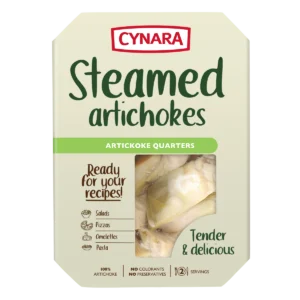
With Cynara products
Sources
- EMA/HMPC: European Union herbal monograph on Cynara cardunculus L., folium (2018) (2026-11-02)
- EMA/HMPC: Assessment report on Cynara cardunculus L., folium (2026-11-02)
- EMA: Cynarae folium, resumen para el público (2026-11-02)
- Monash University: High and low FODMAP foods (2026-11-02)
- NIDDK: Eating, Diet, & Nutrition for Kidney Stones (2026-11-02)
- NHS: Pregnancy vitamins and supplements (2026-11-02)
- Allergy to pomegranate and artichoke, novel food allergens of the Mediterranean diet. Clin Transl Allergy 2013 (resumen de congreso) (2026-11-02)