
The artichoke is a vegetable belonging to the Asteraceae family and is native to the Mediterranean region. For centuries, it has been cultivated in Europe, Africa, and North America, becoming a popular ingredient in many cuisines around the world.
Despite its distinctive flavor and culinary versatility, the artichoke is also known for its nutritional and medicinal properties. In this guide, we will explore the numerous health benefits, characteristics, and curiosities of our favorite vegetable: the artichoke.
Don’t miss out, #artichokelover!
Description
As we know, artichokes can be cooked in many different ways, making them the star of many restaurants and homes worldwide. Below, we review some of the most common ways to prepare artichokes:
Cynara scolymus (the scientific name of the artichoke) is a vegetable cultivated in many regions worldwide. It can be found fresh in supermarkets and organic stores, as well as canned, preserved, steamed, and even as a healthy snack.
The artichoke is known for its unique flavor, unmatched texture, and versatility in the kitchen. Additionally, it stands out for its nutritional and medicinal properties, which make it truly special.
Appearance of the Artichoke
The artichoke plant can grow up to approximately 90 cm in height. It has large, dark leaves and striking purple flowers. The edible part of the artichoke is its heart, located at the center of the plant and protected by thick, tough outer leaves.
What is an Artichoke?
The artichoke belongs to the Asteraceae family. It is the non-thorny variety of the wild thistle, and its buds are highly valued in Mediterranean cuisine.
Besides its culinary uses, it can also be used pharmaceutically for its therapeutic properties.
This herbaceous plant is cultivated in many parts of the world, and its leaves can reach up to 60 cm in length, with lobes free of thorns.
Let’s take a closer look at the other characteristics of the artichoke in more detail:
Shape
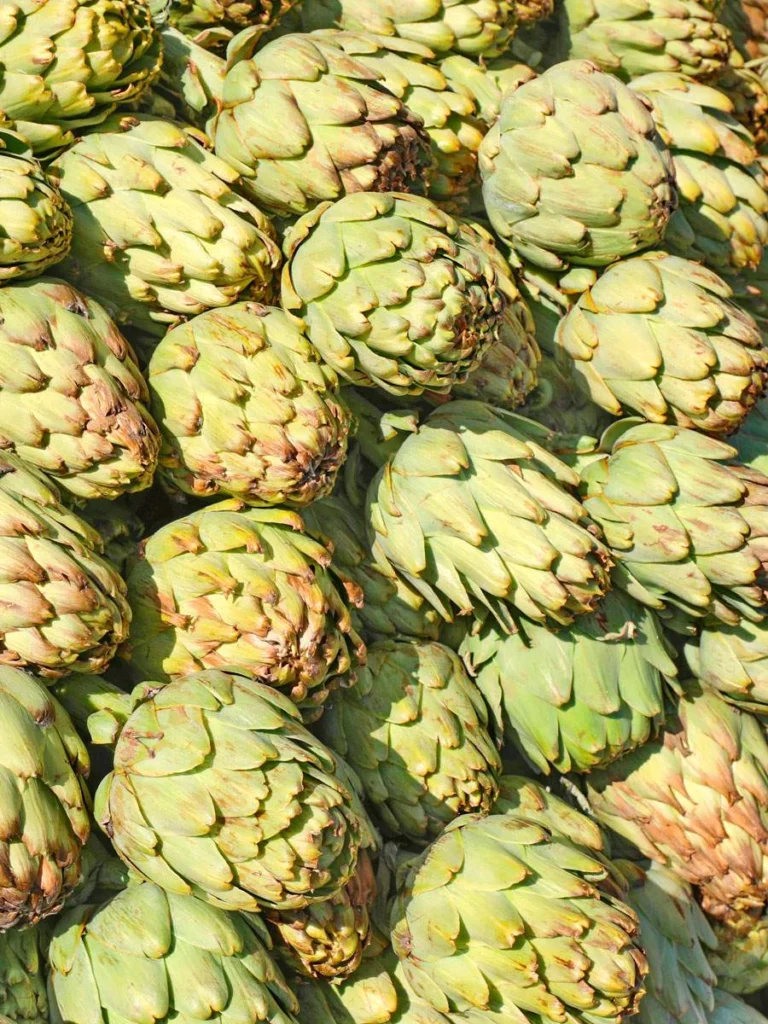
The edible part of the artichoke is the “heart” of the flower, whether the flower itself is elongated or more flattened. The inflorescence forms a rosette shape, with overlapping green leaves. The heart consists of the leaves and the tender parts of the bud.
Size and Weight
The stem can reach up to one meter in height. It is upright and thick, branching out where the large inflorescences grow, which can reach up to 12 centimeters in diameter.
Color
The stem and leaves are a bright green color.
Flavor
When roasted, the flesh becomes crispy while maintaining its juicy, delicate, and succulent texture.
But artichokes are not only consumed for their flavor and unique characteristics. There are other completely healthy reasons that encourage the consumption of our star product.
Parts of the Artichoke
Our beloved artichoke is made up of the following parts: heart, leaves, stem, and pistils. Here’s a closer look at each of them:
Artichoke Heart
The artichoke heart is one of the most valued and prized parts of this plant. It is the center of the inflorescence, the most fleshy and tender part of the artichoke, located inside the leaves. It is rich in nutrients and has a very delicate, mild flavor. Additionally, it is extremely versatile in the kitchen, as it can be cooked in many different ways. Absolutely delicious!
Artichoke Leaves
Artichoke leaves are usually pointed, though depending on the variety, they can sometimes be slightly more flattened. The leaves are an important part of the plant because they provide many of its health benefits. They contain active compounds like cynarin, which is an antioxidant and helps reduce cholesterol levels in the blood.
Artichoke Stem
The artichoke stem is the part of the vegetable that is often discarded during preparation for cooking. However, it is a rich source of fiber and nutrients, including vitamins and minerals such as iron, calcium, and magnesium. It is also low in calories and fat, making it an excellent choice for those looking to maintain a healthy and balanced diet.
Artichoke Pistils
The pistils of the artichoke, also known as the “artichoke beard,” are an edible part of the plant found at the center of the artichoke flower. They are often removed during cooking, but they actually offer both nutritional and culinary benefits.
Fun Facts About Artichokes
The artichoke is a tasty and nutritious vegetable that has been valued for its flavor and health benefits for centuries. Here are six fascinating facts about artichokes that you might not know:
- Each plant can live for about four to five years.
- Artichokes reproduce through offshoots or stems, that is, from the shoots that develop at the base of the plant.
- The plant has long, thick stems that can reach up to 2 meters in height, with the artichokes growing at the tips. Depending on the variety and origin, the leaves and fruit vary in appearance, size, and color.
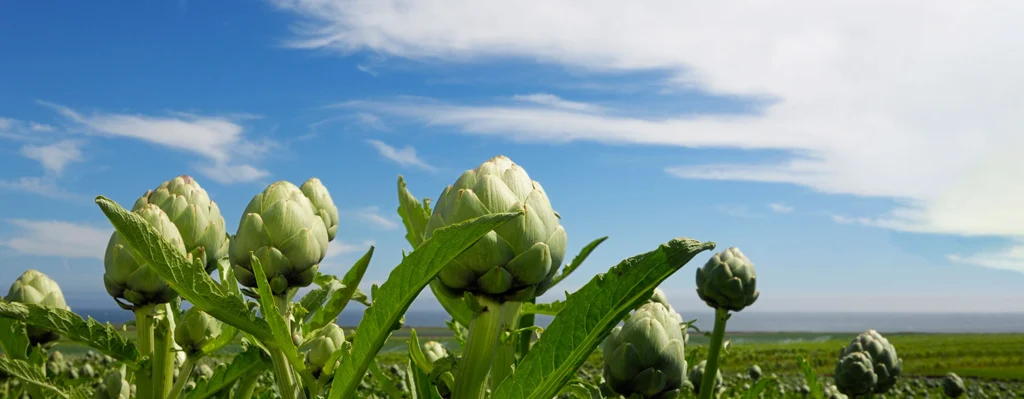
- Artichokes belong to the thistle family, and their edible “fruit” is actually a flower that develops inside the bulb, called the heart—the tenderest and most flavorful part of Cynara products. If left on the plant, it eventually blooms, protected by tough outer leaves known as bracts, which have a purple hue similar to the thistle flower.
- Artichokes are not only used in delicious dishes, but also in an interesting Italian liqueur flavored with 13 different herbs called Cynar, named after the scientific name of the vegetable, Cynara scolymus. It’s an aperitif with a strong aroma and a slightly bitter taste at first, finishing with a hint of sweetnes.
- With the rise of craft beer, there is now a beer made in Peñíscola, Castellón, using artichokes grown in the town of Benicarló, famous for its Artichoke Festival. The beer is called Badum, named after a medieval tower located at the highest point of a cliff in the Sierra d’Irta, a natural area on the Mediterranean coast.
Artichokes in Spain
Artichokes have been cultivated and valued in Spain since Roman times. With their unique flavor and culinary versatility, artichokes have become a key ingredient in Spanish gastronomy, featuring in a wide variety of dishes and recipes. Additionally, their cultivation has historically been an important economic activity in several regions of Spain.
History of Artichokes in Spain
Artichokes were introduced to Spain by the Romans, who grew them both as a food source and for their medicinal properties. Since then, artichokes have become a popular ingredient in Spanish cuisine, incorporated into many traditional and modern dishes.
Artichoke Cultivation in Spain
Artichoke cultivation is an important economic activity in different regions of Spain, especially in the south. The majority of Spain’s artichoke production comes from Andalucía, Murcia, and Valencia.
Growing artichokes requires a warm climate and fertile soil, making the Mediterranean regions of Spain ideal for cultivation. Artichokes are grown in both small family gardens and large agricultural estates, and they are marketed domestically as well as internationally.
Artichokes in Spanish Cuisine
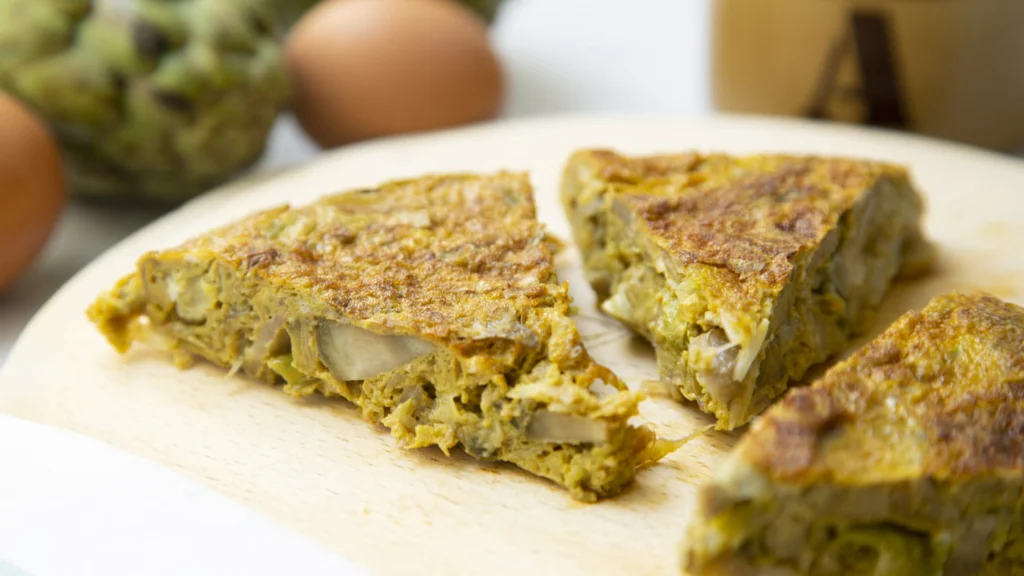
Artichokes are a versatile and popular ingredient in Spanish gastronomy. They can be enjoyed raw, cooked, grilled, in salads, stews, and soups, and are featured in a wide variety of traditional Spanish dishes.
Some of the most popular artichoke dishes in Spain include artichoke salad, Andalusian gazpacho with artichokes, artichoke stew with ham and garlic, and grilled artichokes with olive oil and garlic.
Artichokes Around the World
Artichokes are cultivated and appreciated globally. Thanks to their unique flavor and culinary versatility, they have been incorporated into a wide range of dishes across different culinary cultures. Moreover, artichokes are associated with numerous health benefits, making them a popular ingredient in nutritious and healthy diets.
Artichoke Cultivation Around the World
Artichoke cultivation has spread globally, with major production regions in Europe, North America, South America, and Asia. Artichokes require a warm climate and fertile soil, making them ideal for areas with a Mediterranean climate.
Artichokes are grown in both small family gardens and large agricultural estates and are sold in both domestic and international markets.
Artichokes in International Cuisine
Artichokes are a versatile and popular ingredient in the cuisines of many countries. They can be eaten raw, cooked, grilled, in salads, stews, and soups, and are used in a wide variety of dishes across different culinary cultures.
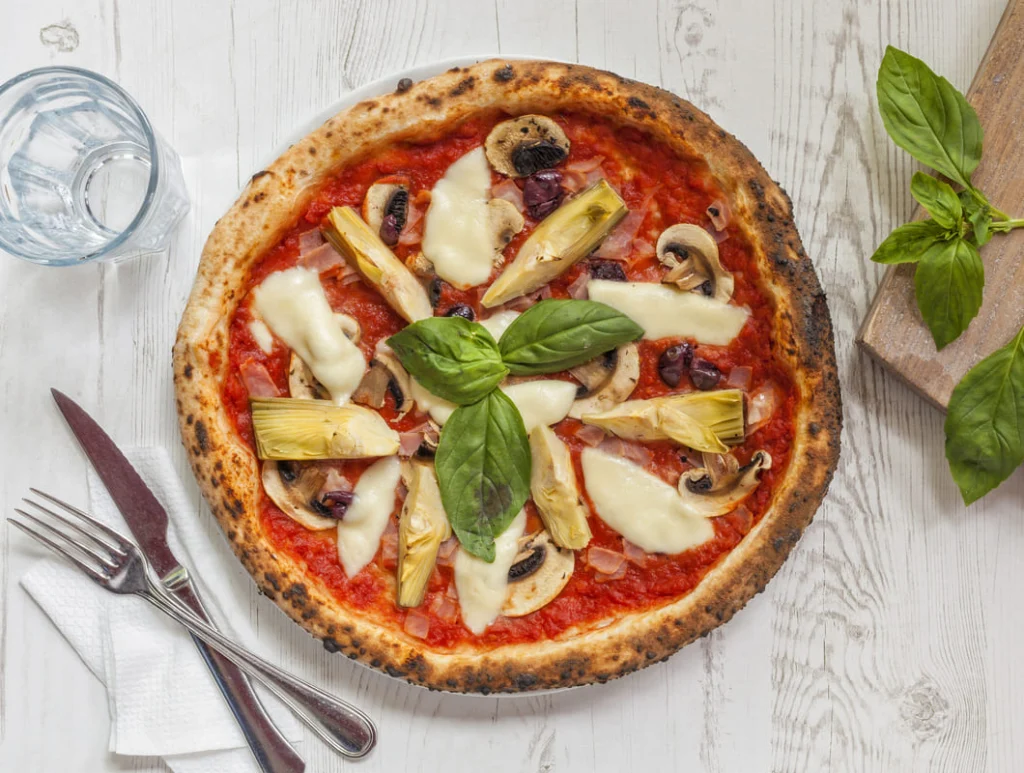
In Italy, artichokes are used in pizza, pasta, and risotto. In France, they are used in bouillabaisse, a traditional seafood stew. In Greece, artichokes are included in moussaka, a baked dish of meat and vegetables.
In short, the artichoke is a versatile and valued plant worldwide, both in gastronomy and for health. With cultivation spread across different regions and its presence in a wide variety of culinary dishes, the artichoke is a popular ingredient on tables in many cultures. Additionally, its health-related benefits make it an essential component of any healthy diet. With its unique flavor and numerous advantages, it’s easy to see why the artichoke has earned its place on tables around the world.
History of the Artichoke
The artichoke is a vegetable native to the Mediterranean that has been valued for its culinary and medicinal benefits for centuries. Its use has spread worldwide, and today it is a popular ingredient in many dishes and diets. Below, we explore the history of the artichoke, from its origins to its present and future status.
Origin
The artichoke (Cynara scolymus) belongs to the Asteraceae family, which also includes sunflowers and daisies. It is believed to have originated in the Mediterranean region, from Morocco to Egypt, and was cultivated by the ancient Egyptians, Greeks, and Romans. Historical records show that the Romans consumed artichokes and considered them a true delicacy.
Artichokes were introduced to Western Europe during the Middle Ages and have since spread worldwide.

Present Day
Today, the artichoke is an important vegetable in most countries worldwide, especially in Europe and the Mediterranean. The main artichoke-producing countries are Spain, Italy, Egypt, Peru, and Argentina. Artichokes are valued for their flavor and nutritional properties and are consumed in a wide variety of dishes. They have also been used in traditional medicine to treat various conditions, such as digestive and liver problems, and scientific studies have demonstrated some of their beneficial effects.
Future
The future of the artichoke looks promising. Advances in cultivation technology and research into its beneficial properties have increased interest in this beloved vegetable. Studies are underway to explore how compounds from artichokes can be used to develop new medicines and treatments for various diseases. Additionally, the artichoke adapts well to sustainable and organic farming, making it ideal for farmers seeking to produce food more responsibly.
Properties of the Artichoke
The artichoke is a nutrient-rich vegetable that has been valued for its culinary and medicinal benefits for centuries. Keep reading to discover the properties of the artichoke and how consuming it can help prevent diseases and improve overall health.
What happens if I eat artichoke?
Eating artichoke can have many beneficial effects on the body. Artichokes are rich in antioxidants and compounds that may help reduce cholesterol and prevent cardiovascular diseases. Additionally, artichokes are low in calories and high in fiber, making them an excellent choice for people looking to lose weight or maintain a healthy diet. Consuming artichokes can also help improve digestion and promote liver health.
What diseases does artichoke prevent?
Artichokes contain compounds that may help prevent various diseases. Studies have shown that these compounds have anti-inflammatory and antioxidant effects that can help prevent cancer and other illnesses. Furthermore, artichokes may help lower cholesterol levels and prevent cardiovascular diseases.
What does artichoke reduce inflammation in?
Artichokes contain anti-inflammatory compounds that can help reduce inflammation in the body. These compounds may help prevent chronic inflammatory diseases such as arthritis and inflammatory bowel disease. Additionally, artichokes can help reduce liver inflammation and promote liver health.
How many diseases does artichoke cure?
Artichokes are not a “cure-all” vegetable. However, they contain compounds that can help prevent and support the treatment of various diseases. The compounds in artichokes have anti-inflammatory and antioxidant effects that may help prevent cancer and other illnesses. Artichokes can also help lower cholesterol levels, prevent cardiovascular diseases, improve digestion, and promote liver health.
Nutritional Values of Artichoke
Artichokes are a delicious and nutritious vegetable that offer many health benefits. Let’s review the nutritional values of artichokes and how their consumption can help improve overall health. Keep reading to discover more!
Fiber
Artichokes are rich in fiber, which can help maintain a healthy digestive system and prevent constipation. One serving of cooked artichoke contains approximately 7 grams of fiber.
Vitamin C
Artichokes are an excellent source of vitamin C, an antioxidant that helps protect the body’s cells from oxidative damage. One serving of cooked artichoke provides about 25% of the recommended daily intake of vitamin C.
Folic Acid (Folate)
Artichokes are rich in folic acid, which is essential for the formation of red blood cells and can help prevent birth defects in fetuses. One serving of cooked artichoke provides approximately 20% of the recommended daily intake of folic acid.
Potassium
Artichokes are high in potassium, an essential mineral that can help maintain healthy blood pressure and prevent cardiovascular diseases. One serving of cooked artichoke provides about 15% of the recommended daily intake of potassium.
Magnesium
Artichokes are rich in magnesium, an essential mineral that can help maintain bone and muscle health. One serving of cooked artichoke provides approximately 10% of the recommended daily intake of magnesium.
Health Benefits of Artichokes
Artichokes offer multiple health benefits thanks to their nutrient content and active compounds. Here are some of the main health benefits:
For the Liver
Artichokes contain a compound called cynarin, which may help protect and improve liver function. They can also help reduce liver inflammation and enhance bile production, which supports digestion and prevents fat accumulation in the liver.
For the Kidneys
Artichokes are rich in potassium, a mineral that can help lower blood pressure and prevent kidney disease. Additionally, artichokes have a mild diuretic effect, helping to eliminate excess fluids from the body and prevent water retention,
For Cholesterol
Artichokes are high in soluble fiber, which can help reduce blood cholesterol levels. Soluble fiber binds to cholesterol in the intestine and removes it from the body before it can be absorbed into the bloodstream.
To Lower Blood Sugar
Artichokes are rich in inulin, a prebiotic fiber that can help regulate blood sugar levels. Inulin acts as a prebiotic, feeding beneficial bacteria in the gut, which can improve digestion and nutrient absorption.
For the Skin
Artichokes are high in antioxidants, which can help protect the skin from oxidative damage caused by free radicals. Antioxidants may also reduce inflammation and improve the overall appearance of the skin.
Cultivation and Varieties
Cultivation
Artichoke is a perennial plant that grows up to approximately 1.5 meters in height. The plant produces thick stems and spiny leaves that can reach up to 1 meter long. The edible flower, or the artichoke itself, grows at the top of the stem and is surrounded by a layer of leaves called bracts.
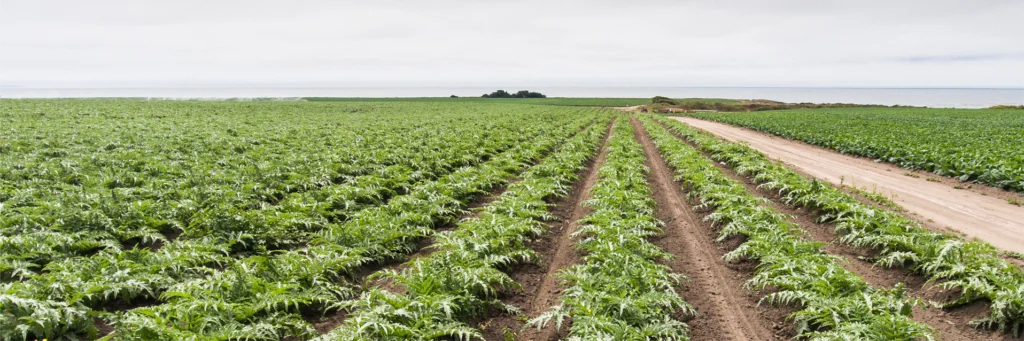
Artichokes are cultivated in temperate climates and adapt well to soils rich in organic matter with good drainage. They require a minimum temperature of 10 °C and a relative humidity of 60–80%. Generally, artichokes prefer loamy soils, but they can also grow in sandy or clay soils.
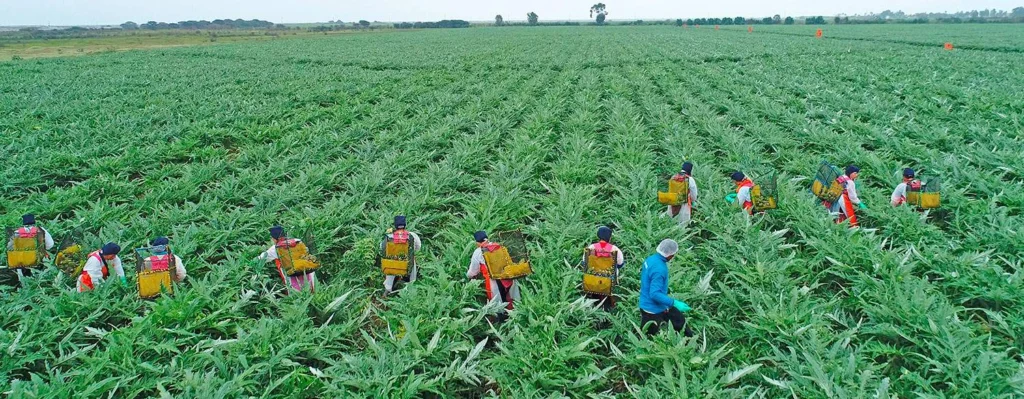
Cultivation begins with selecting healthy seeds or seedlings that are resistant to disease. Seedlings are transplanted into the ground once temperatures rise in spring and are regularly watered to keep the soil moist. During the growing season, fertilizers are applied and weeds are removed to ensure healthy growth.
As the plant grows, excess lateral branches and leaves should be removed to allow the plant to focus on the growth of the flower. Artichokes are harvested when the flower has reached its full size and is ready for consumption.
Varieties
Early Varieties
Early artichoke varieties are those harvested at the beginning of the season, generally in winter or early spring. These artichokes are smaller in size and have tender, delicate flesh, making them ideal for eating raw or in simple, fresh dishes.
Some of the most well-known early artichoke varieties include:
Blanca de Tudela
The Blanca de Tudela artichoke is cultivated in the Navarra region in northern Spain. It is known for its delicate flavor and tender, crisp texture.
Violeta de Provenza
This variety is grown in France and is characterized by its intense flavor and deep purple color.
Imperial Star
The Imperial Star artichoke is a hybrid variety. It is popular among producers for its ease of cultivation, high yield, and disease resistance.
Lorca
The Lorca artichoke is primarily grown in the Murcia region of Spain, named after the city of Lorca. It has a rounded, flattened shape and a sweet, mild flavor.
Medium-Cycle Varieties
Medium-cycle artichoke varieties are harvested in the middle of the season, generally in spring or summer. These artichokes have a size and texture that fall between early and late varieties, making them suitable for both simple and more elaborate dishes.
Some of the most well-known medium-cycle artichoke varieties include:
Green Globe
This is the most common artichoke variety and is cultivated in many countries. It is characterized by its mild flavor and tender texture.
Harmony
The Harmony artichoke is a medium-cycle variety from Italy, known for its high quality. It has a deep green color with purple streaks on the leaves, and a delicate, mild flavor with a slight bitter note.
Late Varieties
Late artichoke varieties are harvested later in the season, usually in summer or autumn. Unlike early varieties, which are harvested in winter or early spring, late artichokes are larger and have more flesh, making them ideal for preparing more elaborate and sophisticated dishes.
Some of the most well-known late artichoke varieties include:
Opal
The Opal artichoke is a “white” variety, meaning it does not have purple streaks on its leaves. It is mainly grown in Spain and some other European countries.
Madrigal
The Madrigal artichoke is a Spanish variety primarily cultivated in the Vega Baja del Segura region, in the province of Alicante. It has a medium-large size (8–10 cm in diameter) and is known for its sweet and tender flavor.
Concerto
The Concerto artichoke is an Italian variety distinguished by its large size and delicate, sweet flavor. It is highly valued in Mediterranean cuisine for its tender, smooth texture and subtle nutty taste.
Romanesco
The Romanesco artichoke, also called Roman artichoke, originates from Italy. It has a medium-large size and a pointed conical shape, resembling a small pine cone. This variety is prized for its delicate, mild flavor and tender, creamy texture.
Factors Involved in Growing Artichokes
Artichokes are a demanding crop that requires careful attention to several factors to ensure healthy growth and optimal development. The main factors include climate, irrigation, and soil nutrients. Below is a more detailed look at each:
Climate
Climate is one of the most important factors in artichoke cultivation. Being native to the Mediterranean, artichokes require a warm and humid climate for proper growth.
The optimal temperature for artichoke cultivation is between 15 and 20 °C, and the plant does not tolerate extreme temperatures or frost.
Artichokes also need high ambient humidity for healthy growth and development. Therefore, dry and arid climates are not suitable for this crop.
Climate can also affect the quality and flavor of the artichoke. For example, in conditions of extreme heat, the artichoke may develop a bitter or unpleasant taste. Selecting the right varieties adapted to the local climate is essential for achieving good flavor and optimal yield.
Irrigation
Irrigation is another key factor in artichoke cultivation. This plant requires regular and sufficient watering to ensure proper growth and development. Artichokes need a consistent and steady supply of water throughout the entire growing cycle.
However, it is important not to overwater, as excessive moisture can promote the development of fungal and bacterial diseases. Therefore, it is recommended to water artichokes with an appropriate frequency and amount, avoiding waterlogging of the soil.
The most suitable irrigation method for artichoke cultivation is drip irrigation, as it allows for even water distribution and greater efficiency in water use.
Nutrients
Nutrients are essential for the proper growth and development of artichokes. This plant requires a range of nutrients, including nitrogen, phosphorus, potassium, calcium</b<, magnesium, and iron, among others..It is important to conduct a soil analysis before planting to determine its nutrient content and make any necessary corrections. Based on the analysis results, the required nutrients can be supplied through organic or chemical fertilizers..
- Nitrogen: One of the most important nutrients for artichoke cultivation, as it promotes plant growth and the formation of flower heads (capitula). . However, excessive nitrogen can encourage disease development and reduce the quality of the artichokes.
- •Phosphorus: Essential for root development and the formation of flower heads, making it important to ensure the soil has sufficient phosphorus content.
- Potassium: Supports plant growth, disease resistance, and tolerance to water stress, making it a key nutrient for artichoke cultivation.
- Calcium and Magnesium: • Calcium and Magnesium: Important for the development of plant tissues and the production of high-quality flower heads.
- Iron: Essential for chlorophyll synthesis and photosynthesis. Iron deficiency can reduce the growth, development, and yield of artichoke flower heads.
As you can see, at Cynara we are specialists in this unique vegetable. That is why we know firsthand that the artichoke is a vegetable with many health benefits and a delicious flavor, making it a popular ingredient in many dishes. In addition, there are numerous innovative ways to incorporate artichokes into your diet.
If you are looking for high-quality and delicious artichoke-related products, look no further than Cynara. As artichoke specialists, we offer a wide range of products made from this vegetable, from preserves to snacks and innovative items such as our steamed artichokes.
All our products are made with high-quality ingredients and carefully processed to preserve the artichoke’s flavor and freshness. If you want to explore new ways to include artichokes in your diet, Cynara is your go-to option. We guarantee you won’t be disappointed!