What are the benefits of artichokes: Know their 10 key properties
Artichokes are a low-calorie vegetable (about 47 kcal per 100 g raw) rich in fibre, especially inulin, and they also provide potassium, folate and polyphenols. Effects on digestion, cholesterol or the liver have mostly been studied with concentrated extracts, not with the vegetable on your plate. They are a good food within a varied diet, but they do not cure any disease.
Updated November 2, 2026
Artichokes are a vegetable with fibre, minerals and polyphenols, and a delicious flavor that makes them the star of many dishes around the world. Here is what the evidence says about them, with no exaggeration and with the precautions you should know.
The health benefits of artichokes
Per 100 g, raw artichoke provides about 47 kcal, 5.4 g of fibre, 3.3 g of protein, 370 mg of potassium, 60 mg of magnesium, 68 µg of folate and 11.7 mg of vitamin C, according to USDA FoodData Central. Values change with the food table, the variety and the cooking method: Spanish tables give, for example, 2 g of fibre and 12 mg of magnesium. Besides those nutrients, artichokes contain:
VITAMINS
- Vitamin A
- Vitamin B (B1, B3, B5 and B6)
- Vitamin C
- Vitamin E
MINERALS
- Potassium
- Calcium
- Magnesium
- Phosphorus
- Iron
- Zinc
What can an artichoke cure?
No food cures disease, and artichokes are no exception. They are an interesting vegetable within a varied diet, but what has been measured in trials has mostly been measured with concentrated extracts, at much higher doses than a serving on your plate. If you have a health condition, your doctor should guide you.
Low in calories and fat
Artichokes have few calories and almost no fat, so they fit almost any diet. No food makes you lose weight on its own: what matters is the overall diet and physical activity.
A filling food
Their fibre and low calorie count make artichokes a filling vegetable within a balanced meal. That does not mean they reduce hunger on their own.
Digestion: what is known
Artichokes are rich in fibre, including fructans such as inulin, which we do not digest and which are fermented by bacteria in the colon. In one trial of 32 healthy adults, 10 g a day of inulin extracted from artichoke increased bifidobacteria and lactobacilli, along with some bloating. That is an extract dose, not a normal serving. Fructans can also cause gas, especially with IBS.
In a trial of 244 people with functional dyspepsia, six weeks of artichoke leaf extract improved symptoms more than placebo, and the European Medicines Agency (EMA) recognises the traditional use of leaf preparations for fullness, bloating and flatulence. These are leaf preparations, not the vegetable we eat.
Fluid retention: more tradition than evidence
Artichoke leaf has been used as a diuretic in traditional European medicine, but EMA does not include that indication. Treat it as a popular use: artichokes do not replace any treatment for fluid retention.
Do artichokes prevent disease?
Blood sugar: limited data
No food prevents diabetes on its own. With artichoke products, a meta-analysis of nine trials found a small drop in fasting glucose (about 5 mg/dl), with no significant change in HbA1c or insulin. If you have prediabetes or diabetes, artichokes can be part of your diet, but always follow your healthcare team’s plan.
The liver: what has been studied
The most interesting studies used leaf extract in people with fatty liver disease: a meta-analysis of five trials and 333 patients saw improvements in liver enzymes and blood lipids. These are few trials, they say nothing about artichokes as a food, and EMA contraindicates leaf preparations in liver disease.
Cholesterol: extract results, still debated
A meta-analysis of nine trials with artichoke extracts and concentrated juice found lower total and LDL cholesterol and triglycerides, but a 2013 Cochrane review considered the evidence not yet convincing. This is supplement data, not data on the vegetable, and it does not replace the diet or medication your doctor has prescribed.
Fibre and colorectal cancer
The World Cancer Research Fund concludes that foods containing dietary fibre probably protect against colorectal cancer. Artichokes provide fibre, but there are no specific data on them.
Potassium and blood pressure
Potassium contributes to the maintenance of normal blood pressure. With artichoke extracts, a meta-analysis of eight trials found no overall effect and only small reductions in people with hypertension, a result to read with caution. If you have high blood pressure, follow your doctor’s advice.
This guide is for information only and does not replace advice from a healthcare professional. People with biliary problems, an allergy to the Asteraceae family or IBS should check with their doctor before eating more artichokes, and especially before taking extracts. If you want to know more about us and our products, browse our website and our blog.
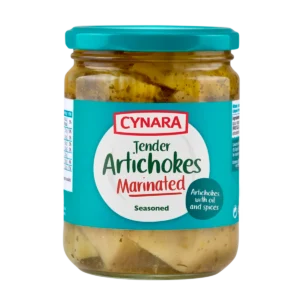
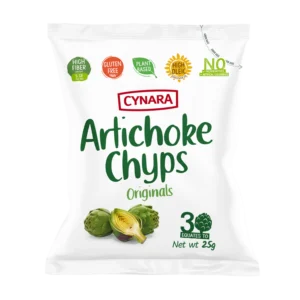
With Cynara products
Sources
- USDA FoodData Central: Artichokes, (globe or french), raw (fdcId 169205, SR Legacy; consultado por la API de FDC) (2026-11-02)
- FEN, Mercado de alimentos: Alcachofa (ficha) (2026-11-02)
- Reglamento (UE) 432/2012, anexo de declaraciones autorizadas (copia en legislation.gov.uk) (2026-11-02)
- EMA/HMPC: European Union herbal monograph on Cynara cardunculus L., folium (2018) (2026-11-02)
- EMA/HMPC: Assessment report on Cynara cardunculus L., folium (2026-11-02)
- Holtmann G et al. Artichoke leaf extract in functional dyspepsia. Aliment Pharmacol Ther 2003 (2026-11-02)
- Kamel AM, Farag MA. Therapeutic Potential of Artichoke in the Treatment of Fatty Liver. J Med Food 2022 (2026-11-02)
- Sahebkar A et al. Lipid-lowering activity of artichoke extracts. Crit Rev Food Sci Nutr 2018 (resumen visto en WebSearch; la página dio 403 al abrirla) (2026-11-02)
- Wider B et al. Artichoke leaf extract for treating hypercholesterolaemia. Cochrane Database Syst Rev 2013 (ficha PubMed) (2026-11-02)
- Jalili C et al. Effects of Cynara scolymus L. on glycemic indices. Complement Ther Med 2020 (2026-11-02)
- Moradi M et al. Effects of artichoke on blood pressure. Complement Ther Med 2021 (2026-11-02)
- Costabile A et al. Bifidogenic effect of very-long-chain inulin from globe artichoke. Br J Nutr 2010 (resumen visto en WebSearch; repositorio bloqueó la apertura) (2026-11-02)
- Monash University: High and low FODMAP foods (2026-11-02)
- World Cancer Research Fund: Diet, nutrition, physical activity and colorectal cancer (2017, revisado 2018) (2026-11-02)